Guides · 15 min read
How to Become a Product Tester (2026 Guide)

Learning how to become a product tester is simpler than most people assume, and the honest version of the job is more modest than the headlines suggest. You sign up to a consumer panel, real products arrive at your home, you use them, and you share a short, structured opinion. The reward is almost always the product itself, kept for free, rather than a paycheck. This guide explains how the role works, what you need to qualify, where to find legitimate panels, and how to separate a trustworthy program from the ones worth avoiding.
In brief
- Becoming a product tester means joining a consumer panel that ships you real products to evaluate and keep.
- There are no formal qualifications: most panels only require that you are over 18 and willing to answer honestly.
- The reward is normally the product itself, not cash. Be wary of any program promising a salary.
- "Amazon product tester" usually means Amazon Vine, which is invitation only and cannot be applied to directly.
- A reputable panel is always free to join, transparent about what it asks, and protective of your personal details.
To become a product tester, join a legitimate consumer panel, complete a short profile, and confirm where products should ship. The panel matches you to items that fit your household, sends them to your door, and asks for a brief perception survey in return. You keep what you receive. No experience, qualifications, or upfront payment are required, and joining a reputable panel never costs money.
What a product tester actually does
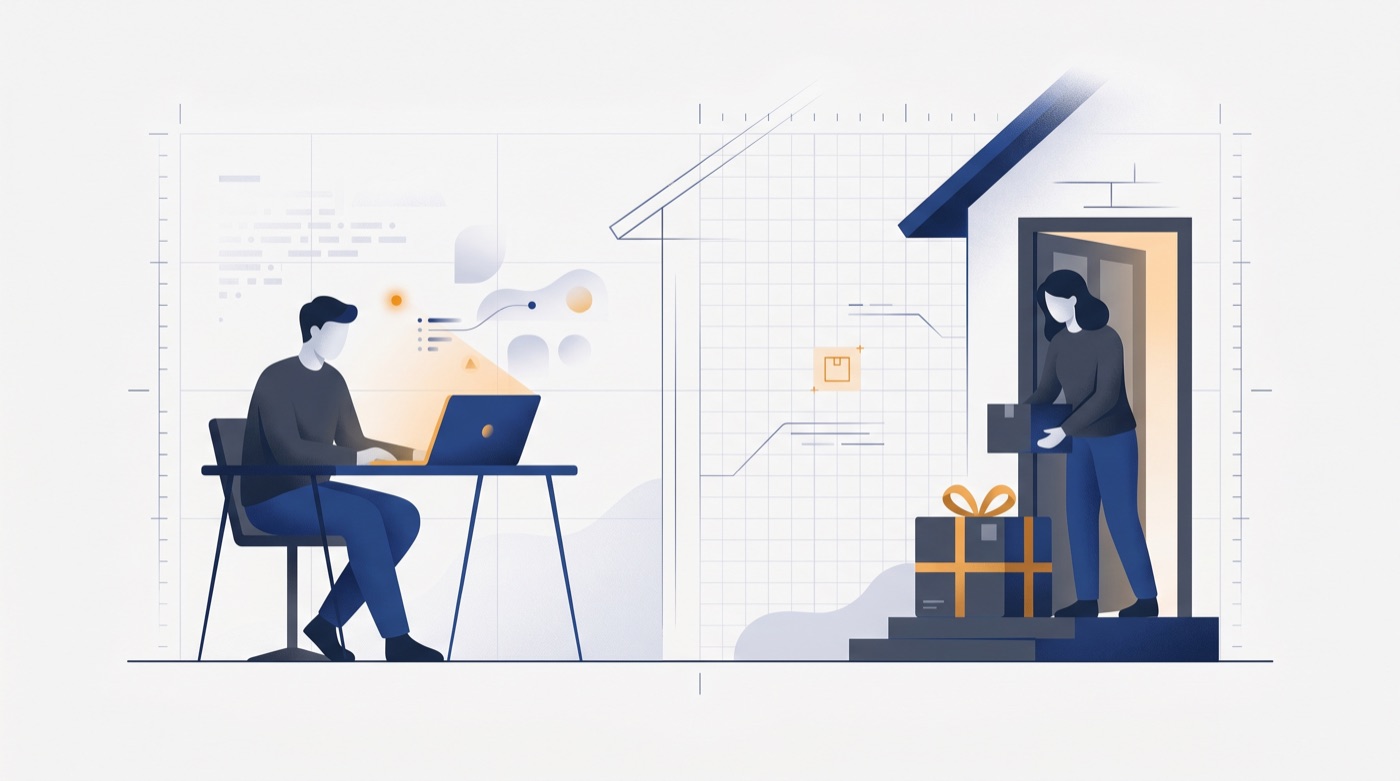
A product tester gives a manufacturer an early, honest read on how a product is received before or soon after it reaches the wider market. The work is small and repeatable: receive an item, use it the way any customer would, and record a structured first impression. Panels are not looking for expert analysis or polished public reviews. They want the genuine reaction of a normal household, because that is what predicts how a product will sell.
In practice the role breaks into three repeating steps:
- Get matched. The panel pairs you with products that suit your profile, for example a skincare item for someone who opted into beauty categories.
- Use the product. You try it at home over a few days, exactly as a buyer would.
- Share your perception. You answer a short survey covering things like perceived quality, the price you would expect to pay, what the product reminds you of, and whether you would buy it.
That last step is the real product. Manufacturers are buying perception data, the gap between how they think a product lands and how households actually see it. A good panel asks tightly framed questions: how the quality compares to similar products, what price you would expect, what it reminds you of, and how you would search for it. Your honest answer to those questions is the value you provide, and it is why the work exists at all. For a fuller breakdown, see what a product tester does day to day.
The questions are deliberately simple, and none of them require expertise. A typical survey asks where a product sits between budget and premium, whether it reminds you of a brand you already know, and whether you would actually consider buying it at the price you guessed. There are usually no right answers and nothing designed to catch you out. The brand wants the unfiltered reaction of someone who fits its likely customer, captured in the moment, before public reviews and sales figures start to shape everyone's opinion of the product.
It helps to picture the alternative the brand is trying to avoid. Without a panel, a company only learns how its product is perceived after launch, from reviews and returns, when it is expensive to change anything. By paying attention to a few dozen real households first, it can catch a mismatch early: a bottle that reads as cheap when it was meant to look premium, or a label nobody understands. Your two minutes of honest input is what makes that early read possible.
Product testing versus paid surveys and mystery boxes
People often arrive at product testing after trying adjacent things, so it helps to be clear about what it is not. Paid survey sites reward you in points or small cash amounts for answering questions, with no physical product involved. Mystery box and sample club services send you a curated parcel, sometimes for a fee, but rarely ask for structured feedback in return. Product testing sits between the two: you receive a real product to keep, and the panel asks for a short, specific opinion about it.
That difference matters for what you should expect. With a perception panel the product is the reward and the survey is the obligation, so the value depends on receiving things you would actually use. A panel that ships a forty dollar product and asks for two minutes of your time is a fair exchange. A site that pays you cents per survey, or charges you for a box, is playing a different game. Knowing which model you are in stops you from judging one against the wrong yardstick.
How to become a product tester in five steps
The path is the same across almost every legitimate panel:
- Choose a reputable panel. Look for clear terms, a real privacy policy, and no fee to join. The section on spotting a legitimate program below covers what to check.
- Create your account. This takes a minute. You provide an email and basic details so products can be shipped.
- Complete your profile. Categories, household basics, and shipping information let the panel match you to relevant products rather than random ones.
- Wait to be matched. Matching depends on what manufacturers are testing at any given time, so the first product can take a little while.
- Test, answer, repeat. Use each product, complete the short survey, and keep the item. The more honest and consistent you are, the more often you tend to be matched.
There is no application to pass and no interview. The only ongoing requirement is to answer truthfully and on time.
What to expect in your first few weeks
The early weeks are usually quieter than people expect, and that is normal. After you finish your profile you join a matching pool, and your first product only arrives when a brand happens to be testing something in one of your categories. For some people that is a couple of weeks; for others it is longer. The wait is not a sign that anything is wrong, and it is not something you can pay to skip on a legitimate panel.
Once products do start to arrive, a rhythm sets in. You receive an item, use it for a few days as you normally would, and complete the survey while your impression is fresh. Answering promptly and consistently is the single thing most within your control, because panels tend to favour members who reply reliably. Over time, the more complete and honest your profile and answers are, the better matched your products become, which is what makes the experience worthwhile rather than random.
Product tester requirements
The qualifications to become a product tester are minimal by design. The table below shows what reputable panels typically ask for, and what they do not.
| Requirement | Typically needed | Notes |
|---|---|---|
| Age 18 or over | Yes | Standard across panels for shipping and consent. |
| Address in a supported country | Yes | Products ship physically, so location matters. |
| Honest, timely survey answers | Yes | This is the actual job. |
| A degree or experience | No | Panels want everyday opinions, not specialists. |
| Public reviews or a following | No | Your answers stay private and aggregated. |
| A joining fee | No | A legitimate panel never charges you to join. |
If a "tester" role asks for payment, banking details to receive a salary, or a public review quota, treat it as a warning sign rather than an opportunity.
Becoming a product tester with no experience
This is the most common worry, and it is misplaced. Panels are built for people with no background in testing, because the whole point is to capture how an ordinary buyer reacts. A polished or expert opinion is actually less useful to a brand than a genuine first impression. You do not need to write well, own a camera, or have tested anything before. If you can use a product and answer a few honest questions about it, you already meet the bar. The full walkthrough lives in the guide to becoming a product tester with no experience.
How product testers are paid and rewarded
This is where expectations and reality often diverge. Searches for product testing frequently assume a wage, but the standard reward across honest panels is the product itself. Understanding the difference up front saves disappointment.
| Reward type | How common | What to expect |
|---|---|---|
| Products to keep | Very common | Full-size items, yours to use, gift, or resell. The core reward. |
| Gift cards or points | Occasional | Sometimes added on top, varies by panel. |
| A regular salary | Rare and suspect | Promises of steady pay for testing are a common scam pattern. |
The honest framing is straightforward: you receive real products in exchange for a couple of minutes of structured opinion. That is a fair trade, and it is the model legitimate panels actually run. Anyone promising a reliable income from product testing is selling something other than the truth.
If you are specifically chasing income, it pays to set the expectation realistically before you start. The detailed numbers, and why "product tester salary" is mostly a myth, are covered in how much product testers make. People who want a genuine work-from-home angle should look at the realities of remote product tester jobs, where the reward is again products to keep rather than a paycheck.
Where to find legitimate product testing panels

Once you understand the model, the practical question is which panels to join. Dozens exist, and they vary widely in quality. Some send full-size products quickly with a light survey; others have drifted into point systems, slow shipments, and heavy upsells. The honest move is to compare them on the things that matter to you: how fast products arrive, whether you keep them, how much the panel asks in return, and how it handles your data.
A short, vetted starting list beats signing up to twenty programs at random. Our roundup of the best product testing sites compares the well-known panels on exactly those points, and the individual reviews look at whether specific programs live up to their reputation. Reading one or two before you commit your time is worth the few minutes it takes.
Can you become an Amazon product tester?
This question deserves its own answer because the search term is so common and so widely misunderstood. There is no general "Amazon product tester" job you can apply for. What people usually mean is Amazon Vine, an invitation-only program Amazon extends to a small number of reviewers who have already written reviews the platform judges helpful. You cannot sign up for Vine directly, and any site claiming to sell access to it should be treated with caution.
For everyone outside Vine, open consumer panels are the realistic route. They are free, they accept new members without an invitation, and they send full-size products you keep. If your goal is to test physical products at home, an open panel will get you there faster than waiting for a Vine invitation that may never come.
How to spot a legitimate product testing program
Because the category attracts low-effort imitators, knowing the markers of a trustworthy panel matters as much as knowing how to join one. A legitimate program tends to share these traits:
- Free to join. You are never asked to pay, and you are never asked to buy the product you are testing.
- Clear about the reward. It states plainly that you keep the product, rather than implying a salary.
- Transparent about data. It explains what it collects and limits it to what is needed to ship and match products.
- Light on demands. A short survey per item, not endless surveys for points or a wall of offers to opt into.
- Protective of your identity. Your name and address are used to deliver products, not handed to the brands you review.
The clearest warning signs run in the opposite direction: a request for payment or card details to "unlock" testing, a promise of a fixed salary, pressure to recruit other people, or a vague program with no real privacy policy. Several well-known panels have drifted toward point systems, slow or missing shipments, and heavy upsells over the years. The decline of the older programs is exactly why it pays to check these markers before you commit your time.
Free products and samples as a starting point
If you simply want to start receiving things in the post while you decide which panels to join, free sample programs are a low-commitment entry point. Brands and manufacturers run their own giveaways, and roundups exist for most categories, from free food samples to baby and beauty products. These are not the same as joining a perception panel, and they rarely include a survey, but they are a harmless way to see how the mail-order side of this world works before you commit to anything more structured.
Do product testers keep the products?
On a legitimate panel, yes. Keeping the product is the whole point of the exchange, and it is the most reliable signal that a program is genuine. You are sent a full-size item, you use it, and it is yours afterwards to keep, gift, or pass on. You are not expected to return it, and you are never asked to buy it first and claim a refund later, which is a pattern associated with scams rather than real testing.
There are sensible limits worth knowing. Panels usually cap how much any single household receives, both to keep their data balanced and to keep things fair, so you will not be flooded with products. Higher-value items are rarer and tend to go to members whose profiles fit closely. None of this changes the basic deal: the product is the reward, it is free, and it stays with you.
Is becoming a product tester worth it?
It depends entirely on what you expect from it. If you are hoping to replace a salary, the honest answer is no, and any program suggesting otherwise should be treated with suspicion. If you would enjoy receiving products you might have bought anyway, trying things before they reach the shelves, and spending a couple of minutes sharing what you think, then it is a fair and low-effort arrangement that many people stick with for years.
The value is highest when the panel matches you well, asks little in return, and respects your time and data. That is why the choice of panel matters more than the decision to start. A transparent program that sends relevant products and a short survey is worth far more than one that buries you in points and offers. Treat it as a small, pleasant exchange rather than an income stream, and the expectation tends to match the reality.
Becoming a product tester with Testriva
Testriva is a consumer-perception panel built around the honest version of this role. You receive real products to keep, and in return you answer a two-minute perception survey covering quality, expected price, and purchase intent. There are no points to grind and no offer walls.
The part that sets it apart is the Tester Identity. Products are shipped to a persistent, privacy-protected identity rather than tied to your personal name in each brand's records, so you can take part without handing your details to every manufacturer. It is privacy by keeping data to a minimum, not privacy by secrecy. The model is deliberately simple: keep what you receive, give an honest first impression, and stay in control of your information.
Bottom Line
Becoming a product tester does not require qualifications, experience, or money. It requires joining a legitimate panel, being honest, and understanding that the reward is the product you keep rather than a wage. Choose a panel that is free, transparent, and protective of your details, compare a couple of options before you sign up, and the role is a fair and genuinely useful one. If that is what you are after, you can join the Testriva panel to start receiving products you keep in exchange for a short, honest opinion.
Guides in this series
Frequently asked questions
What qualifications do I need to become a product tester?
Almost none. Most panels ask only that you are over 18, live in a country they ship to, and answer survey questions honestly. There is no degree, no resume, and no experience requirement. Panels value households with everyday opinions, not specialists, so the bar to join is deliberately low.
Can you really become an Amazon product tester?
Not in the way most people expect. Amazon Vine is invitation only, based on the helpfulness of reviews you have already written on Amazon, and you cannot apply to it directly. Open panels are the realistic route for everyone else, and they send full-size products you keep in exchange for a short opinion.
Do product testers get paid in cash?
Usually not. The standard reward across legitimate panels is the product itself, yours to keep, plus the occasional gift card. Programs that promise a salary for testing products are the ones to treat with caution. Honest panels are clear that the product is the reward.
How do I become a free product tester from home?
Join an open consumer panel, confirm your shipping details, and complete the short profile so the panel can match you to relevant products. Products arrive at your door, you use them, and you answer a two-minute survey per item. Joining a reputable panel is always free.
How long does it take to start receiving products?
It varies. Once your profile is complete you are in the matching pool, but the first product depends on what brands are testing in your categories at that moment. Some people are matched within a couple of weeks, others wait longer. Keeping your profile current and answering promptly tends to help.
Related guides
Join the Testriva panel
Receive real products to keep and answer a two-minute perception survey. Your details stay private behind a Tester Identity, never shared with the brands you review.