Guides · 14 min read
Free Food Samples: Where to Find Them in 2026
Free food samples are more available now than most people realise, and the honest options are more varied than a single sign-up form. Whether you want a trial sachet of coffee in your post, a taste of something new at your local warehouse club, or a full-size product you keep in exchange for a short opinion, the right path depends on what you are actually after. This guide covers the real sources, what each one involves, and how to tell the genuine offers apart from the ones that waste your time.
In brief
- Legitimate free food samples come from several channels: sample-aggregator platforms, direct brand programs, loyalty and email list sign-ups, and in-store demos.
- No genuine sample offer requires a credit card or shipping payment as a condition. If a site asks, leave.
- Sample-aggregator platforms like SampleSource run timed batch events: a full profile and fast action when a campaign opens improve your chances.
- Brand mailing lists and loyalty program sign-ups are a quieter, steadier route to manufacturer samples, especially for new product launches.
- Consumer-perception panels are a different category entirely: instead of trial-size portions, you receive full-size products to keep in exchange for a structured two-minute opinion.
Free food samples arrive through four main channels: brand-direct sample programs, third-party aggregator platforms, in-store demos, and loyalty or newsletter sign-ups. Each has its own timing, expectations, and what you actually receive. Understanding the difference stops you wasting an afternoon on a program that was never going to work for your situation.
How free food samples actually work
Every free sample campaign has a business logic behind it. A brand releases a new product, a reformulation, or a seasonal item and wants real households to try it before the advertising spend kicks in. Giving away a portion of the product is cheaper than a television campaign and generates a direct reaction from the people the brand is targeting. The "free" part is real: you receive something at no cost. The exchange is that you are providing the brand with a distribution opportunity, and often a piece of feedback.
Most sample programs fall into one of two models. The first is an awareness play: send a small portion, generate a first impression, encourage a future purchase. No structured feedback required beyond perhaps an email opt-in. The second is a research play: send a product specifically to gather household reaction, whether that is a social post, a rating on a platform, or a short private survey. Knowing which model you are in sets the right expectation for what the brand wants from you and what you will actually receive.
Sample-aggregator platforms
Sample-aggregator platforms sit between brands and consumers. A brand allocates a run of sample units to the platform, the platform matches them to members whose profiles fit, and you receive the sample at no charge. The platforms themselves make money by charging brands for the distribution and the data that comes back. You pay nothing.
The two most active platforms for food samples are SampleSource and Influenster, each running a slightly different model.
SampleSource runs a free-to-join program that sends boxes of products from its partner brands, including food, drink, and grocery items. It operates two main batch campaigns per year (spring and fall), releasing sample packs to members first-come-first-served once a campaign opens. The packs typically include ten to fifteen products with a combined retail value in the region of fifty dollars, though this varies by campaign. In 2026 SampleSource added a "Surprise Samples" channel that sends smaller batches to members year-round between the big events. Completing your household profile in full, particularly dietary preferences, household size, and shopping habits, is the single most important step. A partial profile reduces your chances of being matched. Campaigns fill within hours, so enabling email notifications is worth doing.
Influenster takes a creator-leaning approach. Members build an Impact Score based on their social-media engagement and the reviews they post on the platform. Full-size products, called VoxBoxes, go to members with higher scores and a track record of posting reviews after receipt. If you are not an active reviewer, you may still receive some digital sample offers or smaller packs, but the bigger boxes favour members with genuine posting activity. If a public review requirement does not suit you, SampleSource or direct brand programs are a better fit.
Social Nature focuses on organic, natural, and health-oriented food brands. It targets shoppers likely to buy products at specialty grocery stores and uses its platform to connect those shoppers with brands in that niche. If your food preferences run toward better-for-you or specialty items, it is worth a look.
The key rule across all of these: create your account, fill the profile completely, and act fast when a notification lands. Sample runs at the aggregator level are typically capped and go quickly.
Direct brand sample programs
Many food manufacturers run sample programs from their own websites, independent of the aggregator platforms. These tend to be tied to a new product launch or a limited regional campaign, and they often appear as a short form on the product page or the brand's "try it free" landing page. Because they are not always prominently advertised, they reward people who sign up to brand newsletters and follow launch announcements.
A few patterns to be aware of:
- New product launch windows. When a brand launches a reformulation or a new flavour, it commonly releases a sample run tied to that launch. Newsletter subscribers are often notified before the general public.
- Loyalty program perks. Some large food companies include sample access as a benefit within their loyalty programs. General Mills' Good Rewards program, for example, gives members access to product offers and occasional samples via the Fetch Rewards platform. Kraft Heinz's TasteVIP offers behind-the-scenes access and early looks at new products to registered members. These programs are free to join and worth maintaining if you shop those brands anyway.
- Regional or seasonal campaigns. Brands sometimes run limited geographic sample campaigns for new items. Signing up to the brand's mailing list is the most reliable way to be notified.
The honest limitation of direct brand programs is unpredictability. A specific manufacturer may not have an active sample campaign when you look. The best approach is to sign up to lists for brands whose products you actually use, then let the notifications come rather than checking daily.
In-store sampling
In-store sampling is the oldest free-food-sample channel and, in many ways, still the most consistent. You do not need an account, a profile, or an email address: you simply show up, try the product, and move on.
| Venue type | What you typically find | Catch or condition |
|---|---|---|
| Warehouse clubs (e.g. Costco) | Prepared food, frozen items, beverages, snacks, pantry goods | Membership required for the store itself |
| Supermarket deli and bakery counters | Sliced meats, cheeses, bread, seasonal items | No condition; ask a staff member |
| Specialty food shops | Artisan cheeses, charcuterie, olive oil, vinegar | Usually sample on request |
| Farmers' markets | Produce, preserves, baked goods, specialty items | No condition |
| Food festivals and trade shows | Wide variety, often from smaller or regional brands | Event ticket may apply |
Costco is the most well-known in-store sampling environment. The warehouse club runs demonstrations throughout its aisles, staffed by third-party demo teams, typically between 11am and 6pm on weekdays. There is no limit on the number of samples you can try. The items rotate based on what brands are promoting that week, and they cover the full range from frozen meals to coffee, condiments, and snack foods. If you have a Costco membership, it is worth a deliberate walk through the sampling stations rather than bypassing them.
Supermarket deli counters are an often-overlooked option. Most will slice a sample of a new cheese or cured meat if you ask. Specialty food shops, particularly those selling olive oil, vinegar, or artisan preserves, commonly set out tasting samples on the counter. Farmers' markets almost always have producers who encourage tasting before buying.
In-store sampling is consistent precisely because it is integral to how food retail works, not a promotional campaign that expires. It does not deliver anything to your door, but as a way to try food products at no cost, it has no equivalent for variety.
Free sample roundup newsletters and communities
A quieter but effective route is subscribing to newsletters and communities that aggregate live sample offers. Sites like Freeflys, MySavings, and similar aggregators collect and post current manufacturer sample campaigns in one place, so you do not need to monitor every brand's website individually. These tend to be ad-supported, and some carry offers that range in quality, but the useful ones link directly to the brand's own sample page rather than routing through an intermediary.
A few practical habits help here:
- Use a dedicated email address for sample sign-ups if you want to keep your main inbox clean.
- Check offers early in the day: many sample campaigns have limited quantities and the communities share them as they open.
- Ignore any roundup post that links to a page asking for card details. Genuine sample campaigns do not charge for delivery.
Reddit's r/freebies community is a well-maintained peer-sourced alternative. Members post current live offers and flag expired or misleading ones quickly. Because it is peer-moderated, obvious scams tend to get downvoted or removed. It is worth a periodic browse if you want to see what is currently available without signing up to yet another newsletter.
Comparing the main routes
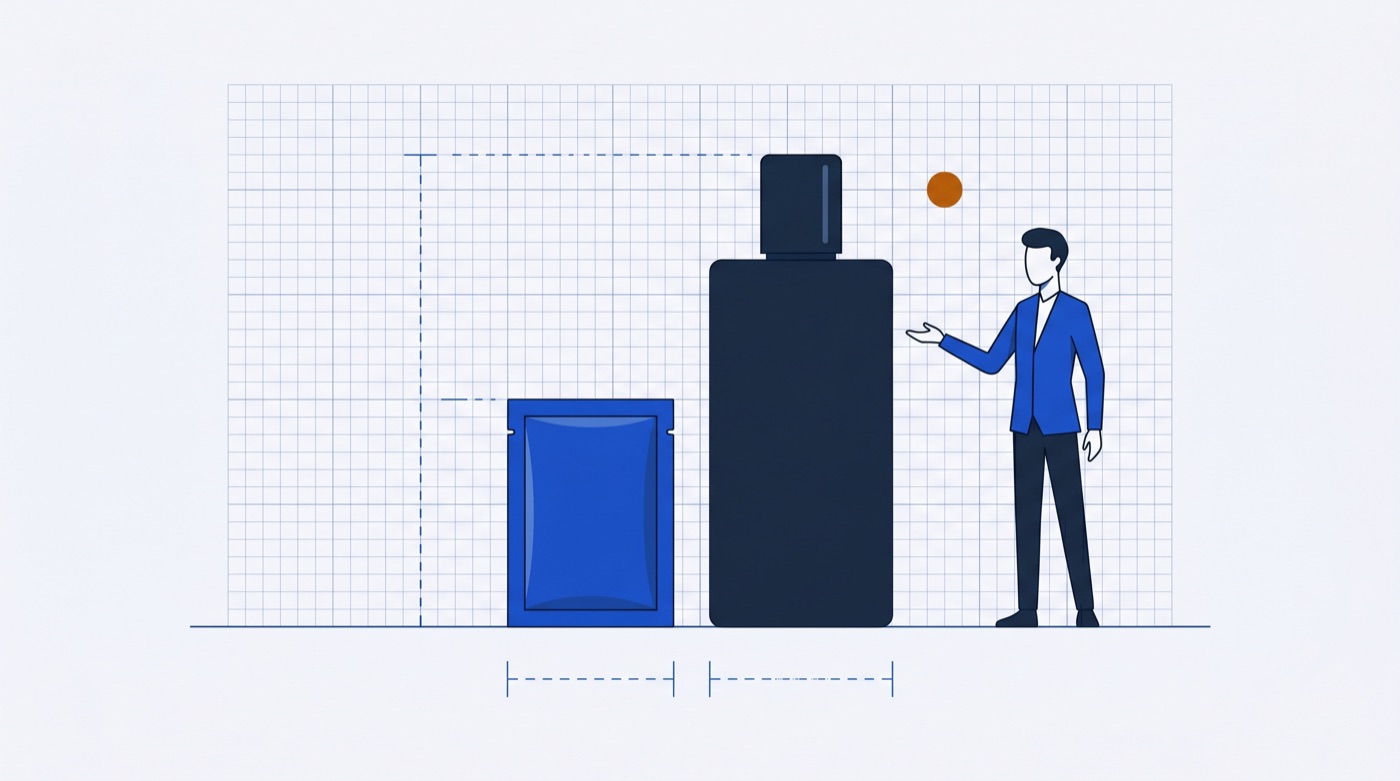
Choosing the right route depends on what you want: something that arrives by mail, something you can try today, or something you can set up once and largely forget.
| Channel | What you receive | Effort | Timing |
|---|---|---|---|
| Sample-aggregator platform | Trial-size to full-size products by post | Medium: profile setup, fast action at launch | Seasonal batch events, some year-round |
| Direct brand program | Trial-size, tied to a product launch | Low: email sign-up | Unpredictable; launch-dependent |
| Loyalty or newsletter sign-up | Advance notice of sample runs, occasional samples | Low: one-time sign-up | Ongoing notifications |
| In-store sampling | Tastes of food products, no mail-out | Low: just show up | Consistent at warehouse clubs and farmers' markets |
| Sample roundup newsletters | Links to current live campaigns | Low: subscribe once, check periodically | Daily or weekly |
None of these channels require payment. If a source asks for a card number, it is not a legitimate free sample program.
What "free" actually means, and the limits worth knowing
Free food samples are genuinely free in the sense that no money changes hands. The exchange is indirect: your email address, your profile data, or your attention. For most people that is an entirely reasonable trade, particularly when the product arrives and you would have considered buying it anyway.
The realistic limits are worth knowing before you invest time:
Trial-size portions are the norm for mail samples. A sachet of coffee, a single-serve packet of snack food, a small bottle of dressing. These are designed to create a first impression, not to stock a pantry. The quantity is useful for deciding whether you want to buy the full product, not for regular use.
Quantities are capped and campaigns expire. A sample run may release ten thousand units and be gone within a day. Arriving at a campaign page after the run has closed is common, particularly for popular brands. This is why aggregator platforms that notify you at launch are useful.
Your data has value. Brands sponsor sample programs partly to build mailing lists and partly to gather household data. Reading the privacy policy before you sign up is a reasonable habit, particularly if you prefer to limit how widely your email or household details are shared.
Free samples versus a consumer-perception panel
There is a category beyond trial-size mail samples that most searchers do not know about, and it is worth understanding the distinction clearly.
A free food sample is typically a small, one-time portion: a single serving designed to introduce you to a product. A consumer-perception panel is a structured, ongoing program where you receive full-size products to keep, and in return you answer a short, private survey about how the product reads to you as a household. The survey covers perceived quality, expected price, what the product reminds you of, and whether you would consider buying it. Your honest reaction is the point; no public posting is required.
The difference in what you receive is significant. A trial sachet of coffee gives you one cup. A panel shipment sends you a full retail-size bag, yours to keep, use, or pass on. The time commitment is also different: the survey takes around two minutes per item, compared to a social post or a longer review that aggregator platforms like Influenster can require.
Learning how the panel model works in full is worth the few minutes it takes before you sign up to anything. The guide to how to become a product tester covers the whole landscape: what panels ask for, what you keep, how matching works, and what to watch for.
What Testriva is and how it differs from the sample programs above
Testriva is a consumer-perception panel. As a participant you receive real, often full-size products, you keep everything, and in return you answer a two-minute perception survey per item covering perceived quality, expected price, what the product reminds you of, and whether you would buy it. There is no cash payment; the product is the reward.
The part that sets it apart from both sample programs and older-generation panels is the Tester Identity. Products ship to a persistent, privacy-protected identity rather than being tied to your personal name in each brand's records. You participate without handing your real details to every manufacturer. It is privacy by data-minimization, not secrecy.
There are no coin systems, no offer walls, no spam opt-ins, and no requirement to post publicly. The model is transparent: keep what you receive, give an honest two-minute first impression, and stay in control of your personal information.
If you want to understand how this model compares to the well-known platforms, the best product testing sites roundup covers the main options side by side on the things that matter: what you keep, how much the program asks in return, and how your data is handled. It also looks at whether specific incumbent programs live up to their reputation, which is worth reading before you commit your time.
For context on what taking part actually involves day to day, the breakdown of how much product testers make covers the realistic picture of what the reward is and is not.
Bottom Line
Free food samples are available from several real, no-cost sources: sample-aggregator platforms, direct brand programs, loyalty sign-ups, and in-store demos. None require payment, and the best ones ask only for an honest reaction in return. If what you are after is full-size products you keep rather than trial portions, a consumer-perception panel is a different and more generous model. Join Testriva to receive full-size products you keep in exchange for a two-minute perception survey, with no coin systems, no public posting required, and your details protected by a persistent Tester Identity.
Frequently asked questions
Where can I get free food samples?
The main places are manufacturer sample programs (requested directly from a brand's website), sample-aggregator platforms like SampleSource or Influenster, brand email lists and loyalty programs, in-store sampling at warehouse clubs and supermarkets, and free-sample roundup newsletters. Each channel works differently: some are first-come-first-served batch events, others match you to products year-round based on a profile you fill out.
Are free food samples really free?
Legitimate food samples carry no cost and no credit card. The catch is indirect: brands use them to build awareness and collect feedback, so you may be asked for an email address or to answer a few questions. Watch for programs that charge a 'shipping fee' as a condition of getting a free item. A genuine sample program never requires payment. If a site asks for card details before releasing a sample, leave.
How do I get free food samples by mail?
Create a free account on a sample-aggregator platform such as SampleSource, complete your household profile in full so the platform can match you to relevant products, and enable email notifications. Sample runs are often first-come-first-served and sell out quickly. Signing up for brand mailing lists directly is a reliable parallel route: many food companies notify list subscribers first when a new sample campaign opens.
Do you have to write a review to get free food samples?
It depends on the platform. Some programs, particularly Influenster, prioritise members with active social-media accounts and expect you to post a review in exchange for full-size products. Others, like SampleSource, simply ask for a short feedback form and do not require public posting. Read the terms before you sign up if public reviewing is something you want to avoid.
What is the difference between a free food sample and a product testing panel?
A free food sample is typically a single-use trial-size portion sent by a brand to build awareness. A consumer-perception panel is a structured program where you receive full-size products to keep in exchange for a short, private survey covering how the product reads to you in terms of quality, expected price, and purchase intent. Panels run year-round and are designed to capture genuine household perception, not just generate a social post.
Related guides
Join the Testriva panel
Receive real products to keep and answer a two-minute perception survey. Your details stay private behind a Tester Identity, never shared with the brands you review.